Learning Outcomes:
i. Explore the role of fungi in the discovery and development of antibiotics.
ii. Delve into the mechanisms by which fungi produce antibiotics and their significance in combating bacterial infections.
iii. Recognize the impact of fungal antibiotics in treating various bacterial diseases.
iv. Examine the challenges and future prospects of fungal antibiotics in the face of antibiotic resistance.
i. Antibiotics from Fungi: A Microbial Arsenal Against Bacterial Foes
In the realm of medicine, fungi, often perceived as simple organisms, have emerged as powerful allies in the fight against bacterial infections. These microscopic organisms, often overlooked or even considered nuisances, possess a remarkable ability to produce natural substances that can effectively combat harmful bacteria. These substances, known as antibiotics, have revolutionized the treatment of infectious diseases, saving countless lives.
ii. The Dawn of the Antibiotic Era: A Fungal Mold's Serendipitous Discovery
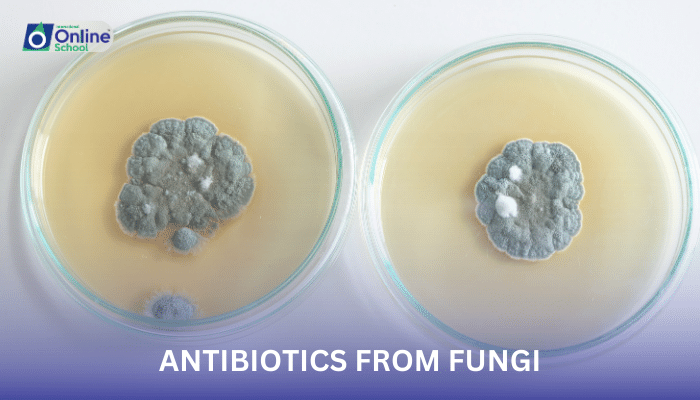
The discovery of penicillin, the first antibiotic, in the 1920s marked a turning point in medical history. This remarkable breakthrough was made by Alexander Fleming, who observed that a mold growing on a petri dish had inhibited the growth of staphylococcal bacteria. This serendipitous observation led to the isolation of penicillin, a substance that proved to be highly effective against a wide range of bacteria.
iii. Fungi as Antibiotic Producers: A Tale of Survival and Competition
The production of antibiotics by fungi is a complex process that serves as a defense mechanism against competing microbes. Fungi secrete these antibiotic substances into their environment, inhibiting the growth of nearby bacteria and allowing the fungi to thrive.
Scientists believe that fungal antibiotics evolved as a means of competing for resources and space in the natural environment. By producing these substances, fungi can suppress the growth of bacteria, which compete for the same nutrients and space.
iv. A Treasure Trove of Fungal Antibiotics: A Spectrum of Medicinal Armaments
Fungi have proven to be a rich source of diverse antibiotics, each with unique properties and mechanisms of action, making them effective against specific types of bacteria. Some of the most well-known fungal antibiotics include:
Penicillin: The first antibiotic discovered, penicillin is effective against a wide range of bacteria, including staphylococci, streptococci, and pneumococci.
Cephalosporins: A class of antibiotics derived from a fungal species, cephalosporins are broad-spectrum antibiotics, effective against a wider range of bacteria than penicillin.
Griseofulvin: This antibiotic is specifically effective against fungal infections, particularly those of the skin, hair, and nails.
Amphotericin B: A powerful antifungal antibiotic, amphotericin B is used to treat severe fungal infections, including those that are resistant to other medications.
v. The Impact of Fungal Antibiotics on Modern Medicine: Saving Lives and Combating Infections
Fungal antibiotics have played a crucial role in the treatment of infectious diseases, saving countless lives worldwide. Their effectiveness against a wide range of bacteria, coupled with their relatively low toxicity, has made them essential components of modern medicine.
These antibiotics have been instrumental in treating a variety of bacterial infections, including pneumonia, tuberculosis, meningitis, and skin infections. They have also played a vital role in preventing infections during surgeries and other medical procedures.
vi. The Challenge of Antibiotic Resistance: A Looming Threat to Fungal Antibiotics
Despite their immense value, fungal antibiotics face challenges, particularly the emergence of antibiotic-resistant bacteria. As bacteria evolve to resist the effects of antibiotics, the effectiveness of these medications diminishes, posing a significant threat to public health.
The misuse and overuse of antibiotics have accelerated the development of antibiotic resistance. When antibiotics are used unnecessarily or for shorter durations than prescribed, bacteria are more likely to develop resistance mechanisms.
vii. Future Prospects of Fungal Antibiotics: A Continuous Quest for New Solutions
Scientists are continuously working to develop new fungal antibiotics and improve existing ones to overcome the challenges of antibiotic resistance. They are also exploring the potential of fungi to produce other therapeutic compounds, such as antivirals and anticancer agents.
One promising approach involves modifying existing fungal antibiotics to make them more effective against resistant bacteria. Another strategy involves searching for new fungal antibiotics from unexplored sources, such as rainforest fungi.
Fungi, often perceived as simple organisms, have proven to be a rich source of life-saving antibiotics. Their ability to produce these powerful substances has revolutionized the treatment of infectious diseases, saving countless lives worldwide.As we continue to explore the untapped potential of fungi, we can anticipate further advancements in medicine, ensuring that these microscopic marvels continue to play a vital role in our health and well-being.
